One platform for a delivery business, from shelf to doorstep
A grocery and food delivery startup needed its customer app, courier app, warehouse tools and back office to work as one system. We built all four and handed the platform to the client's team.
Fast delivery is an operations problem, not an app problem
A delivery promise is only as good as the operation behind it. Couriers need sensible routes and loads, warehouse staff need to see new orders the moment they arrive, and managers need to step in without breaking the flow. A good-looking shopping app does not fix any of that on its own.
The client, an ambitious grocery and food delivery startup, wanted every part of the business, from catalogue and cart to dispatch and loyalty, in one system it could run and change itself.
The brief: build the whole e-commerce operation, customer app, courier app, warehouse app and CRM/ERP, as one platform with a single view of orders, products and customers.
Routes that ignore the order
Routing by distance alone sends couriers out with the wrong loads at the wrong time. Weight, order time and the type of goods all change the best route.
Dispatch that depends on one person
If every order waits for someone to assign it, delivery speed is capped by that person's attention, however good the app looks.
Loyalty without levers
Repeat customers make grocery delivery pay. The business needed to reward them in different ways without asking developers for each change.
Four decisions that made the operation fast
Route by the order, not just the map
The routing engine weighs order creation time, weight and even the type of items, not only distance, to balance time and resources. The system knows the weight of every product and caps each courier's load accordingly.
Assign automatically, keep managers in control
Orders go to couriers automatically based on availability, current location and existing assignments. Managers still see everything and can switch the courier or change items when a customer asks.
Give the warehouse its own device app
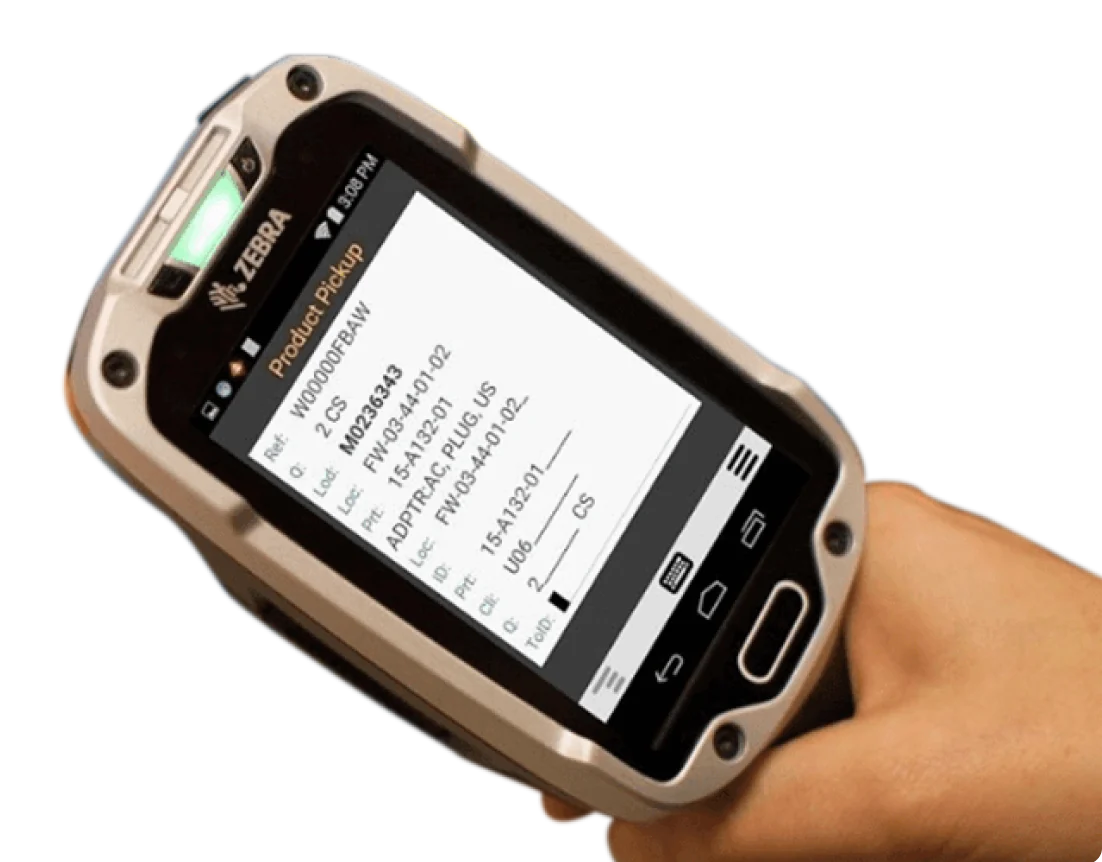
Warehouse staff work on handheld data-collection devices with an app that reads product data straight from the database and receives new orders instantly. Stock stays in sync with the warehouse software the business already used.
Put loyalty levers in managers' hands
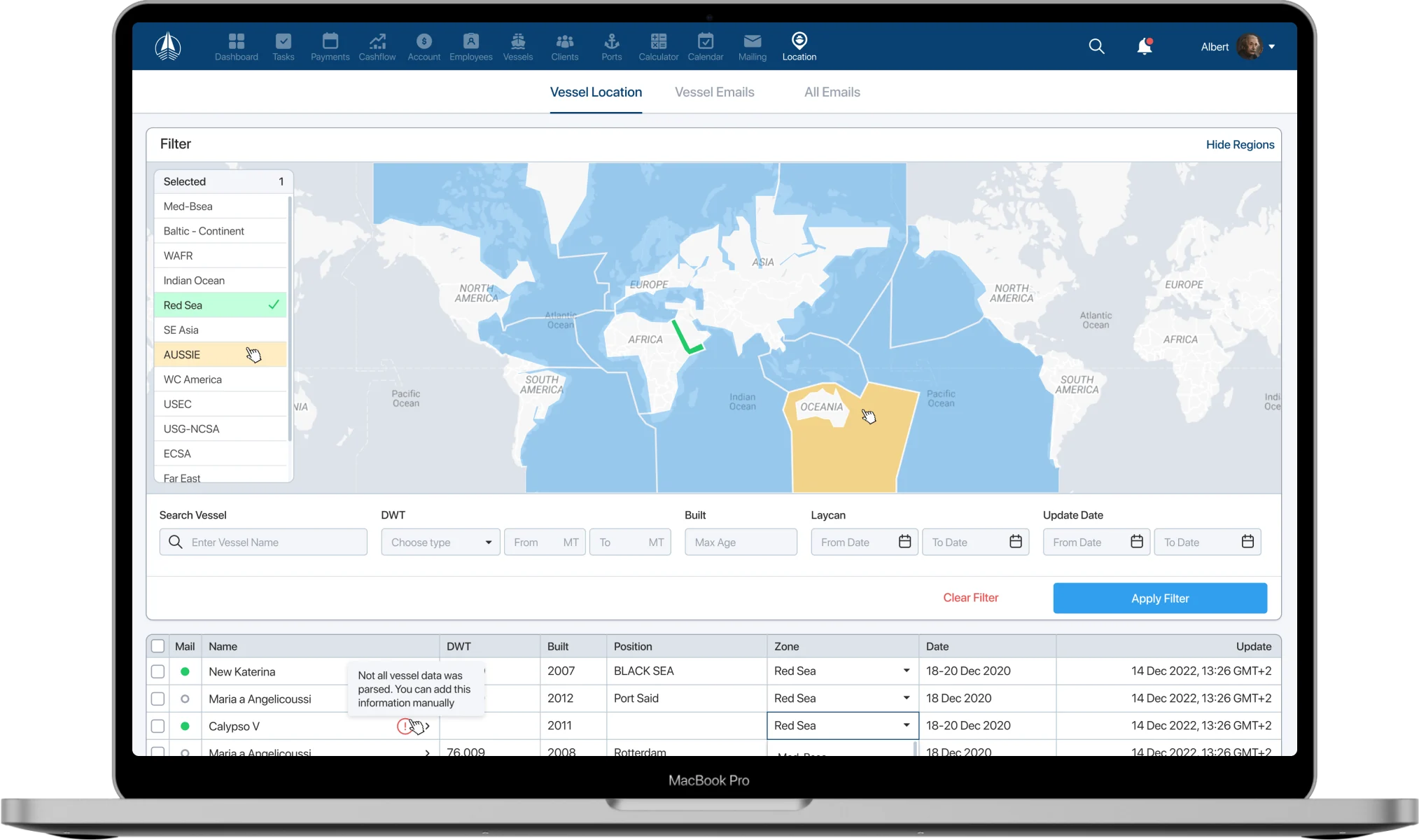
Managers segment customers by order history, average spend and recent activity, then set cashback rules, extra discounts or free delivery for each group and send targeted push notifications, all from the admin.
A delivery operation the client's team could run and tune
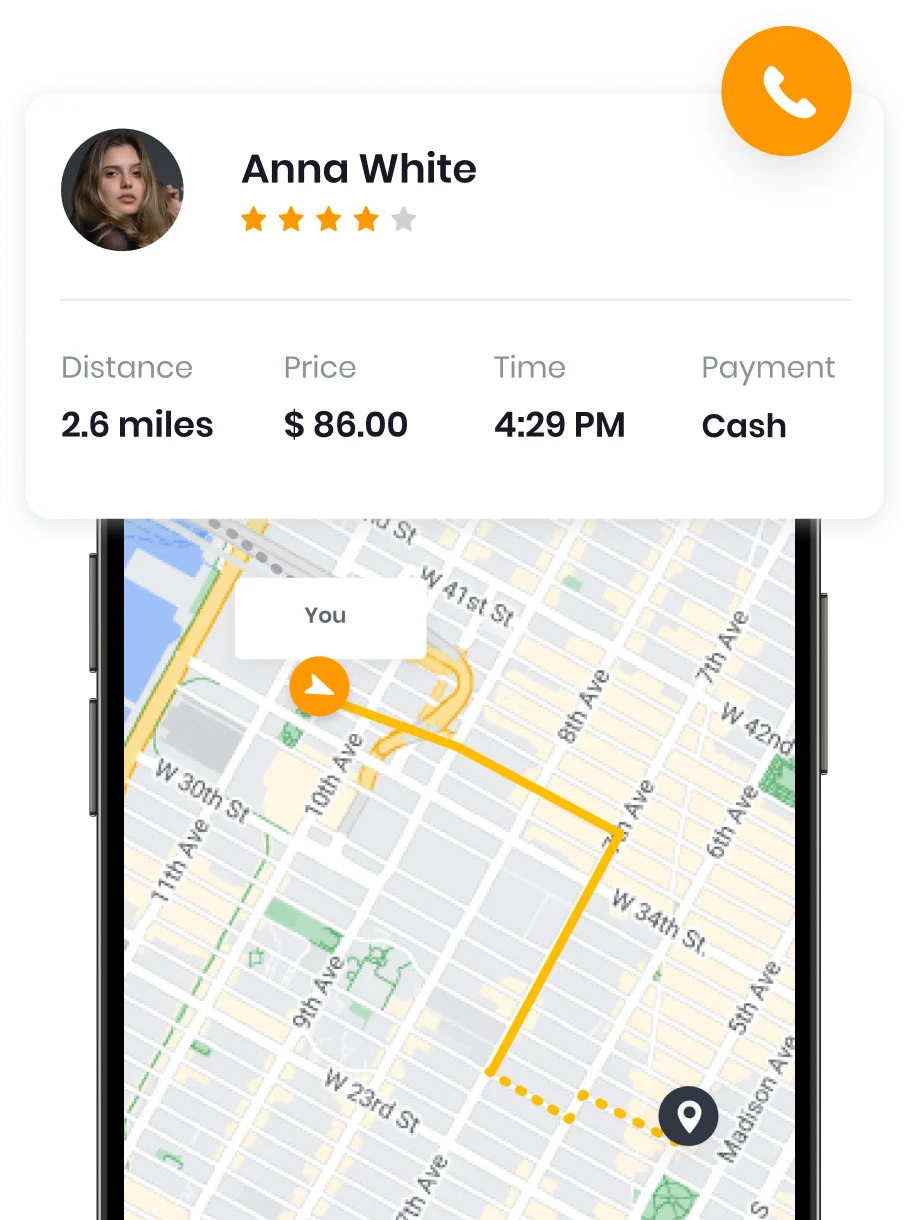
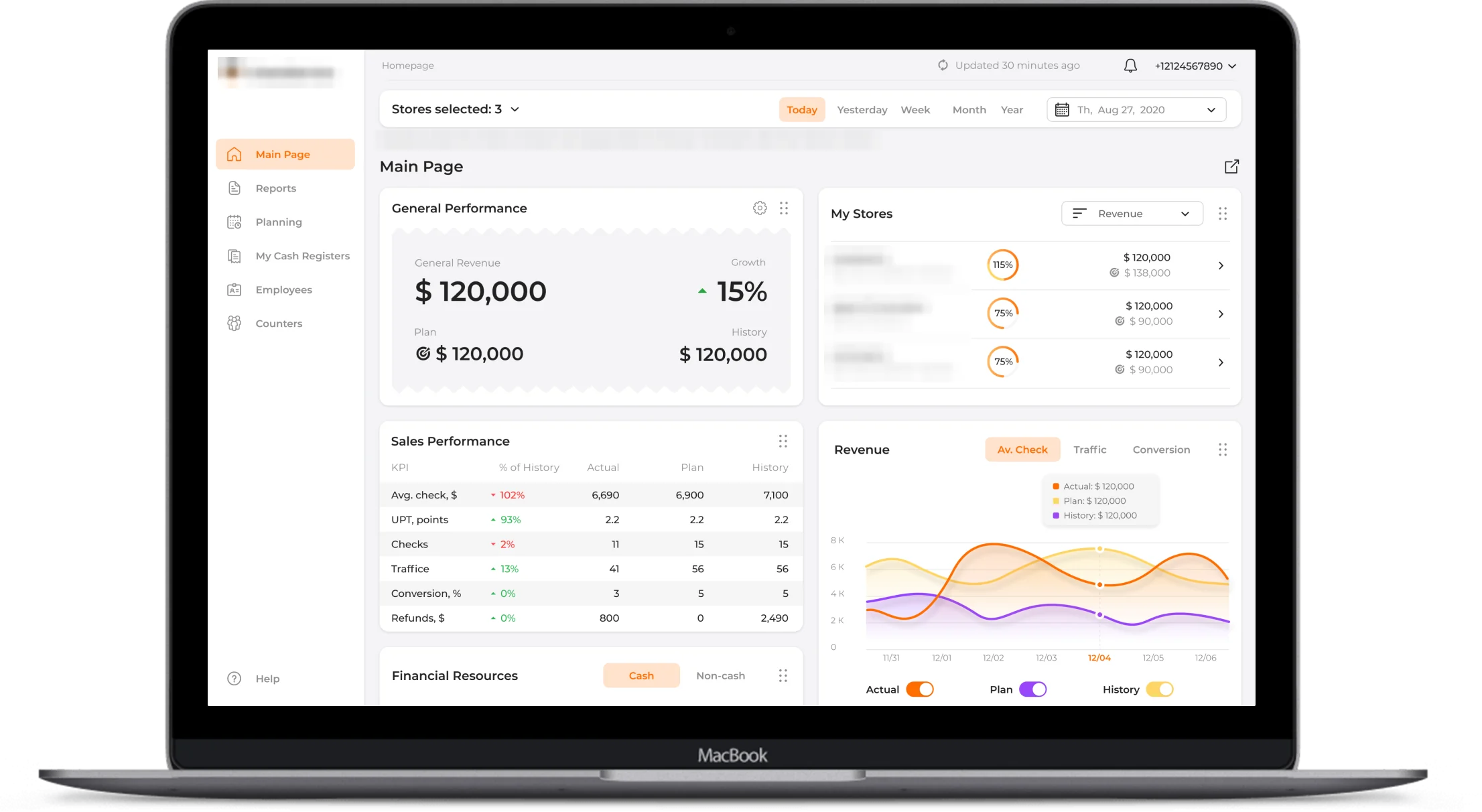
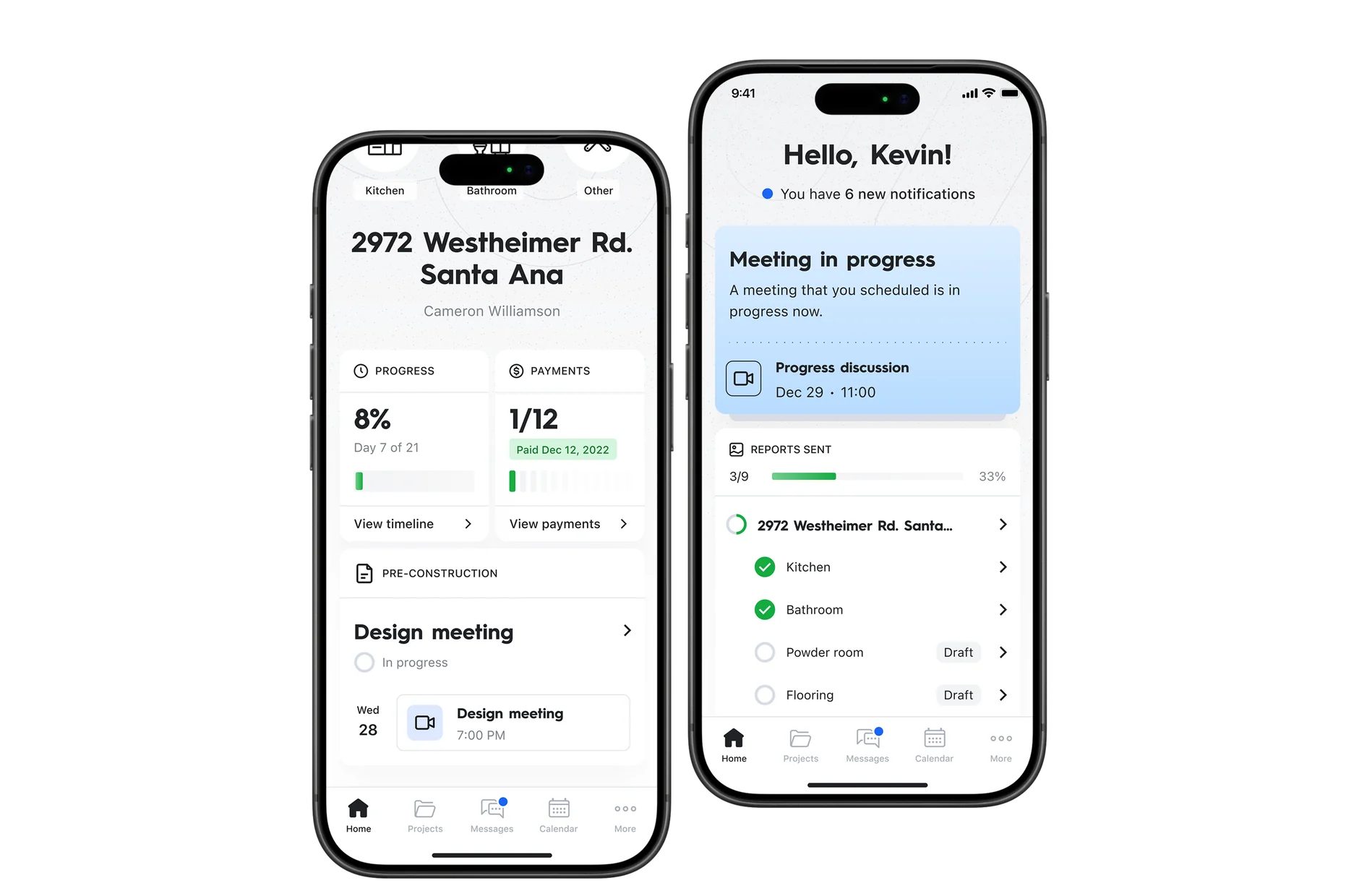
The platform was handed over to the client's team with the whole operation in one system. Customers order, pay and follow the courier on a live map. Couriers get routes and loads that fit. Warehouse staff see orders the moment they are placed, and managers see and adjust everything in between.
Because loyalty rules, segments, notifications and product data live in the admin, the team could change how the business sells without a development cycle.
4
apps on one shared record
3
ways to pay
Live
courier tracking on a map
Auto
order dispatch with manager override
4
apps for customers, couriers, warehouse and managers
3
payment methods at checkout
Live
courier tracking for customers
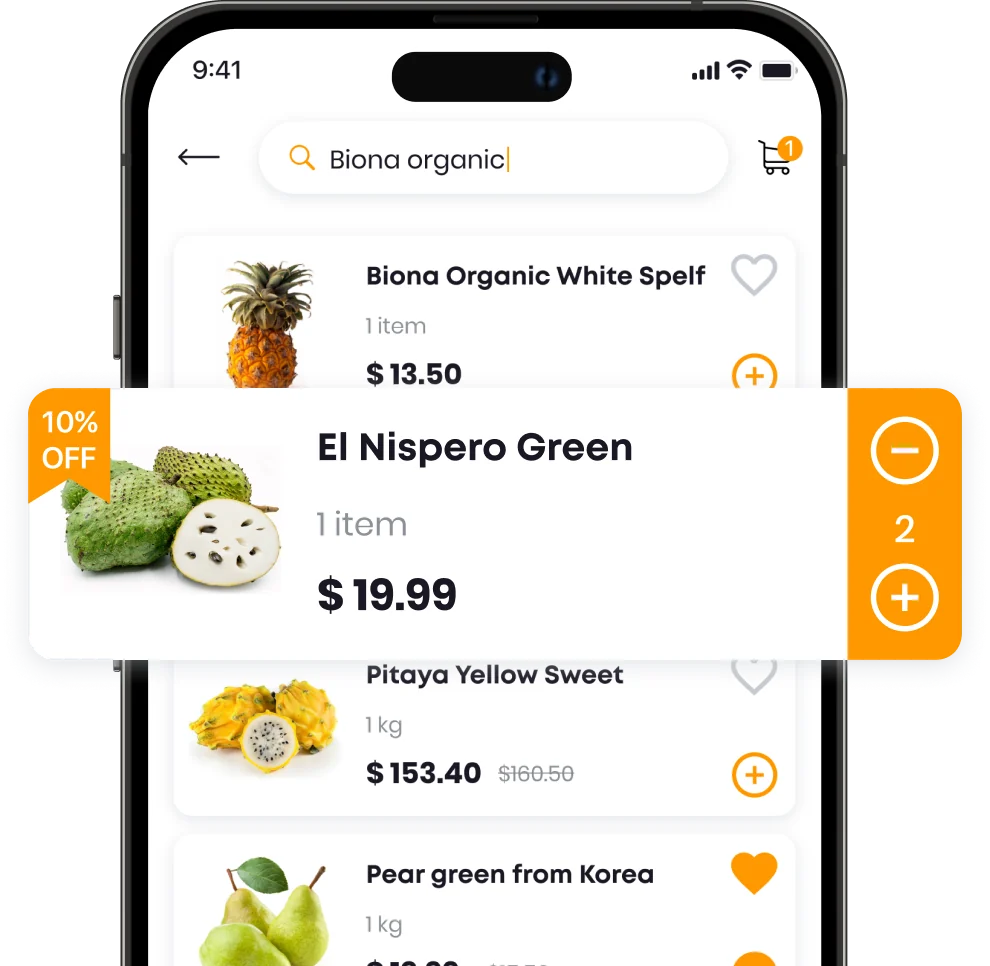
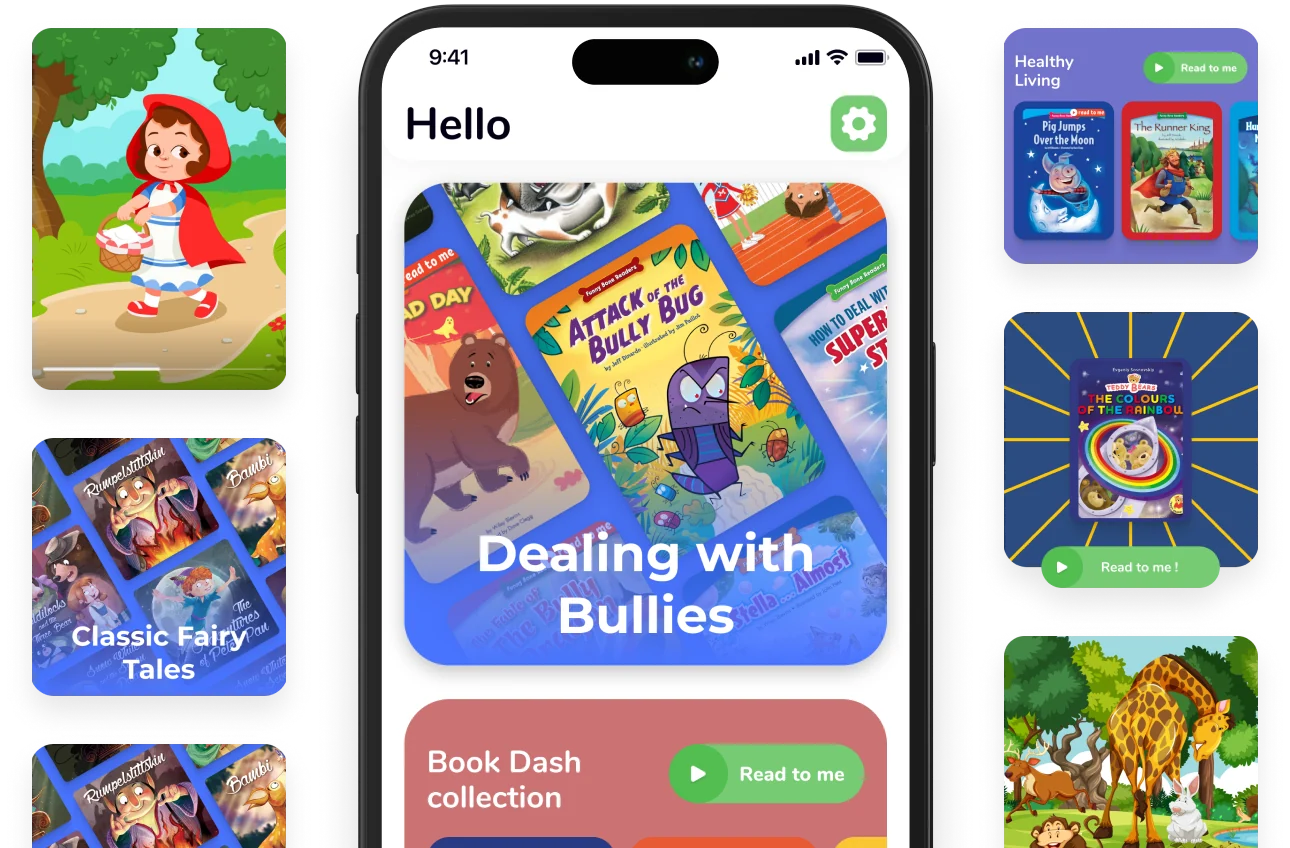
Customer app with catalogue, order templates, cashback, delivery-area check and live tracking; courier app with routing, load limits and customer chat; warehouse app for handheld scanners; CRM/ERP for orders, customers, products, loyalty, support and permissions.
Swift · Kotlin · PHP · Angular · bank payment gateway · Apple Pay
Questions about this project
Why build the customer, courier, warehouse and back-office apps as one platform?
Because delivery speed is decided by the operation, not the storefront. With one shared record of orders, products and customers, a new order reaches the warehouse and the right courier immediately, and managers can intervene without breaking the flow.
How does the routing decide which courier takes an order?
Orders are assigned automatically by courier availability, current location and existing assignments. Routes weigh order creation time, weight and item type, not only distance, and each courier's load is capped using the known weight of every product.
Can managers change loyalty rules without developers?
Yes. Customer segments are built from order history, average spend and recent activity, and managers set cashback rules, discounts, free delivery and targeted push notifications for each segment from the admin.
Which payment methods does the app support?
Card payments through a bank payment gateway, Apple Pay and cash on delivery.
Can you share the client name?
The client name is withheld under NDA. Get in touch if you'd like to discuss the engagement in more detail under a mutual NDA. We can walk through the architecture and operational decisions at a level not appropriate for public material.
See more cases









Does your operation keep up with your app?
Tell us what you are building. We will come back with an honest view of how we would approach it.