Vendor Lock-In: What It Really Costs Over 5 Years
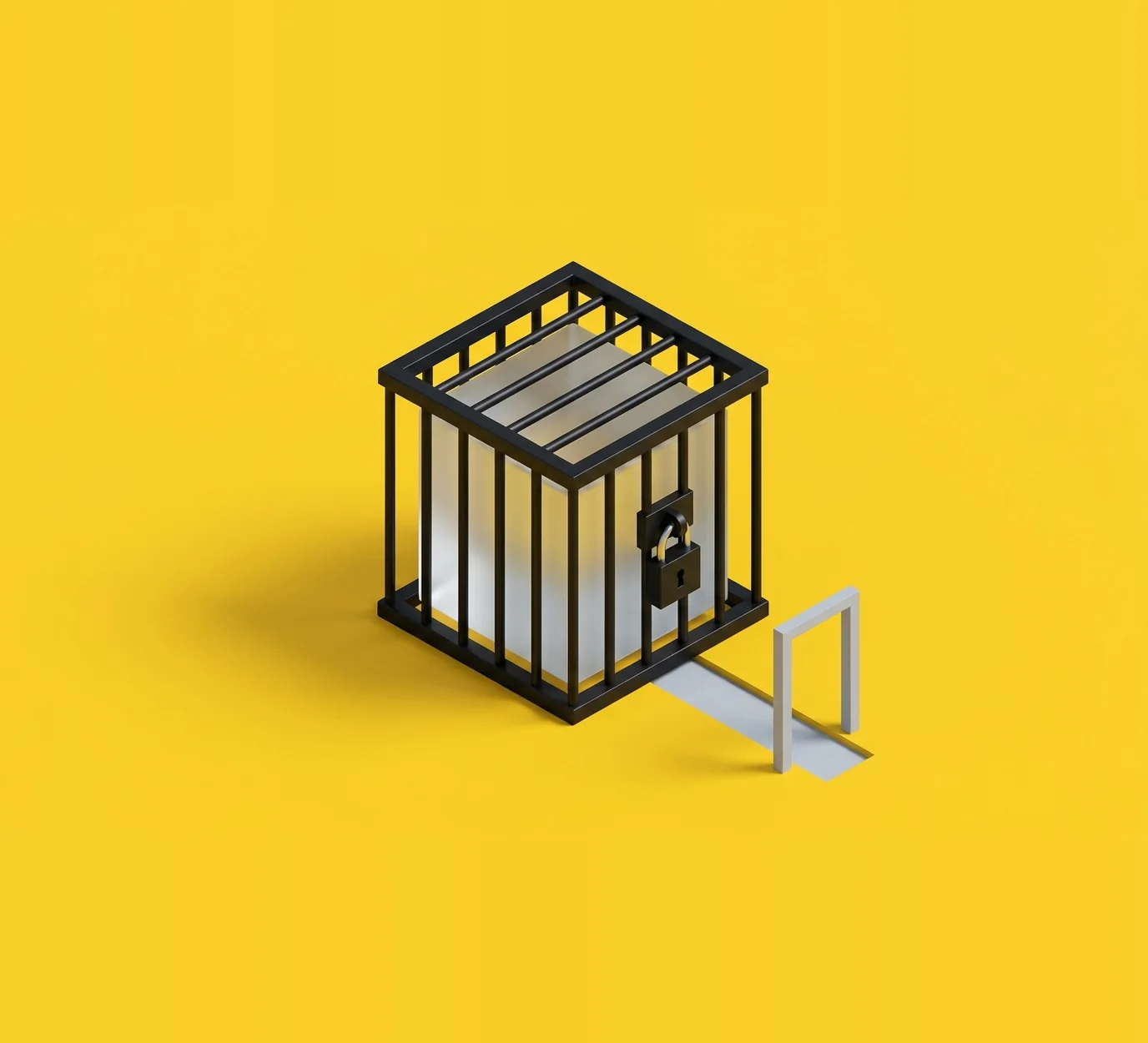
Why the cheapest vendor often costs the most
The cheapest vendor on day one is often the most expensive by year three. Here's how to see the full cost, and how to structure an engagement so you're never trapped.
Lock-in is a financial problem wearing a technical costume
When leaders talk about vendor lock-in, they usually picture a technical problem: proprietary formats, a cloud provider's native services, a codebase only one team understands. All of that is real. But lock-in matters to a CFO or a board for economic reasons. Vendor lock-in means switching providers becomes so costly or risky that staying feels safer than leaving. Once that line is crossed, you've lost negotiating power, and the cost shows up everywhere: in pricing you can't push back on, in roadmaps you can't accelerate, and in a maintenance bill that only goes up.
The costs of dependency compound quietly across a relationship through scope creep, hidden fees and rising switching risk. The vendor that won the contract on a competitive day-one rate can become, three years in, the most expensive line in the engineering budget, precisely because leaving has become unthinkable. This article is about seeing that full cost before you sign, and about a different way to structure engagements so the trap never closes.
Why day-one price is the wrong number
Procurement optimises for the visible number: the hourly rate, the fixed price, the monthly retainer. That number is real, but it's the smallest part of the true cost. The classic appeal of outsourcing is the headline saving versus an in-house team. But that figure measures the cost of getting code written, not the cost of being able to change that code over five years.
That second number, the total cost of change, is where lock-in lives. And it's invisible at signing time, because it accrues later: when you need a new feature and only the vendor can build it, when you want to switch and discover the knowledge never lived in your organisation, when a compliance requirement lands and you have no internal expertise to respond.
The five hidden cost layers
Knowledge-retention cost. When a vendor builds your system, where does the understanding live? If the answer is "in the vendor's heads and slide decks," you've taken on a liability that appears on no invoice. This is the most expensive layer because it has no upper bound: it's the cost of every future change being a negotiation rather than a decision your own team can make.
Switching cost. If you decided to leave, what would it actually cost? Usually: a discovery period while a new team reverse-engineers the system, a transition of parallel running, the risk of regressions during handover, and a period where roadmap velocity drops to near zero. Long-term contracts, weak SLAs, vague IP ownership, and missing backups can lock a client in as hard as proprietary code.
Negotiating-leverage cost. Once switching is expensive, your vendor knows it. Every renewal and change request happens in a negotiation where you have no credible alternative. You're no longer paying a market price; you're paying a captive price, and the gap compounds over five years.
Cloud and infrastructure lock-in cost. Technical lock-in has its own economics. When your architecture depends on a single provider's proprietary services with no portability plan, moving data or workloads can be blocked by egress fees, proprietary formats, or weak export options, and the provider has little reason to compete on price.
Opportunity cost. The hardest to quantify, often the largest. When your team can't change the system without the vendor, you pay more and you move slower. Features get deferred, market opportunities get missed. The compounding cost of a slow, dependent engineering organisation dwarfs the line-item cost of the vendor relationship itself.
A simple five-year TCO model
You don't need fifty spreadsheet rows. You need to add the invisible layers to the visible cost:
5-year TCO = visible engagement cost + (knowledge-retention risk × probability you'll need to change vendors) + estimated switching cost + leverage premium on renewals + infrastructure portability cost + opportunity cost of dependency
Most of these are estimates, and that's fine. The point is to make the invisible layers visible before you sign, so the day-one rate stops being the only number in the room. Run this model and the cheapest day-one vendor frequently turns out to be the most expensive five-year partner, while a partner that costs more upfront but transfers capability turns out to be far cheaper over the horizon that actually matters.
Designing the trap out from the start
Lock-in is a design choice. The safest setup combines architecture and contract design:
- Documentation-first delivery. Every architectural decision lives in your repos and wiki (as ADRs, runbooks and an engineering handbook) from day one. Before signing, ask to see a prospective partner's documentation and handover process.
- IP and access ownership. Code, infrastructure access, and data belong to you, in your accounts. Obvious, yet violated constantly through convenience shortcuts that calcify into dependency.
- A written exit plan. The healthiest engagements define what leaving looks like at the start: what self-sufficiency means, what milestones mark the path, when the vendor's job is done. An engagement with no defined exit is designed to be permanent.
- Capability transfer as a deliverable. The best protection against lock-in is a team that doesn't need the vendor. When knowledge transfer is explicit and measured (trained internal owners, a skills matrix, paired delivery), dependency never forms.
From dependency to ownership
There's a quiet shift in how mature organisations buy engineering help: from time-and-materials contracts toward outcome-centric models measured on shared goals rather than billed hours. The logic extends naturally: if you're paying for outcomes rather than hours, the ultimate outcome is an organisation that can produce those outcomes itself. That's the difference between a vendor and a capability partner. A vendor's incentive is to remain necessary; a capability partner's job is to become unnecessary: to deliver the mission-critical work and leave you able to run it.
Conclusion: measure what you'll actually pay
Vendor lock-in is one of the largest, least-examined costs in a software budget, and it's almost entirely invisible at the moment of decision, when the only number on the table is the day-one rate. Before your next engagement, run the five-year model, then ask the questions that matter: Where will the knowledge live? Who owns the IP and the access? What does the exit look like? Is capability transfer a deliverable or an afterthought? The answers tell you whether you're about to buy code, or buy the ability to own your own technology.
Vendor lock-in FAQ
A situation where switching software providers becomes so costly or risky that staying feels safer than leaving. It's usually described in technical terms (proprietary formats, undocumented systems) but its real impact is economic: lost leverage and rising cost.
Add the invisible layers to the visible engagement cost: knowledge-retention risk, switching cost, the leverage premium on renewals, infrastructure portability cost, and the opportunity cost of moving slowly. Over five years these often exceed the day-one rate.
Documentation-first delivery in your repos, clear IP and access ownership, a written exit plan defined at the start, and capability transfer as an explicit deliverable so your team can operate the system without the vendor.
Tell us what you are building. On a 30-minute call a senior engineer walks through where your dependency sits and how to reduce it. Or get a first view of the team and timeline in two minutes.