Book a call
Book a call
What we do

Esports, Gaming & Live Engagement

Build platforms for an industry where the busiest day of the year is the whole business — and the cost of failure is broadcast live.
Esports, gaming, and live-engagement platforms live or die on a handful of moments a year. A championship weekend or a game launch can carry more load than the rest of the quarter combined, digital assets and in-game economies hold real value, and when something breaks it breaks live, in front of the entire fanbase.
MetaProject builds software for exactly these conditions — and our model is embedded: senior engineers build alongside your team and leave the capability with you, so the people who built the platform are the ones running it on event night.
Book a call

Proven when it counted

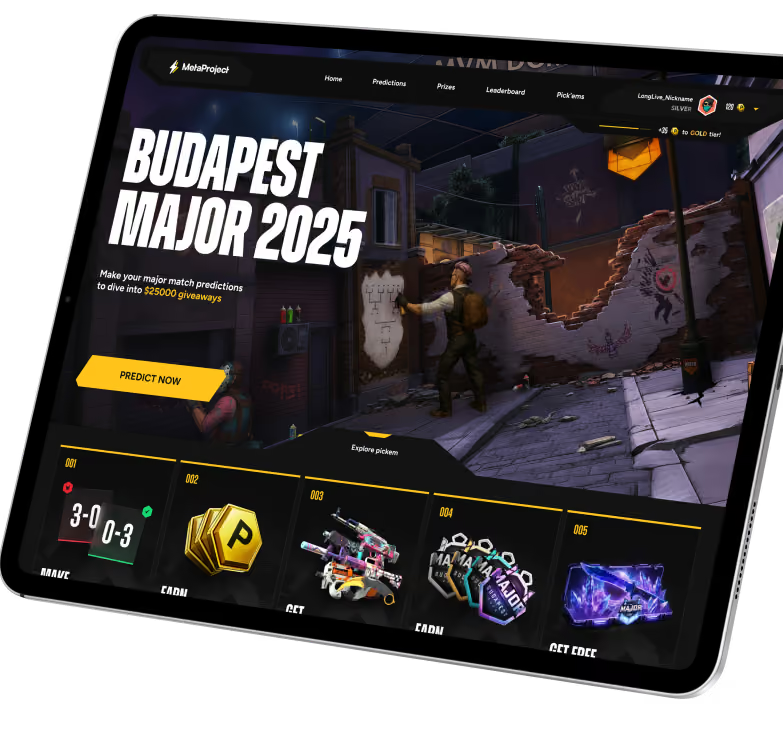
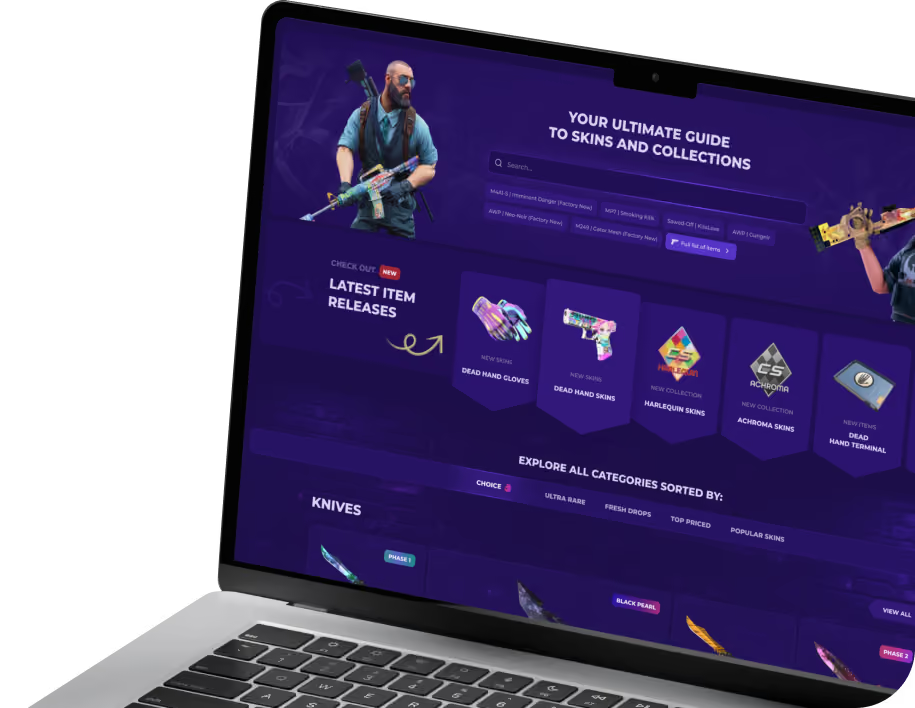
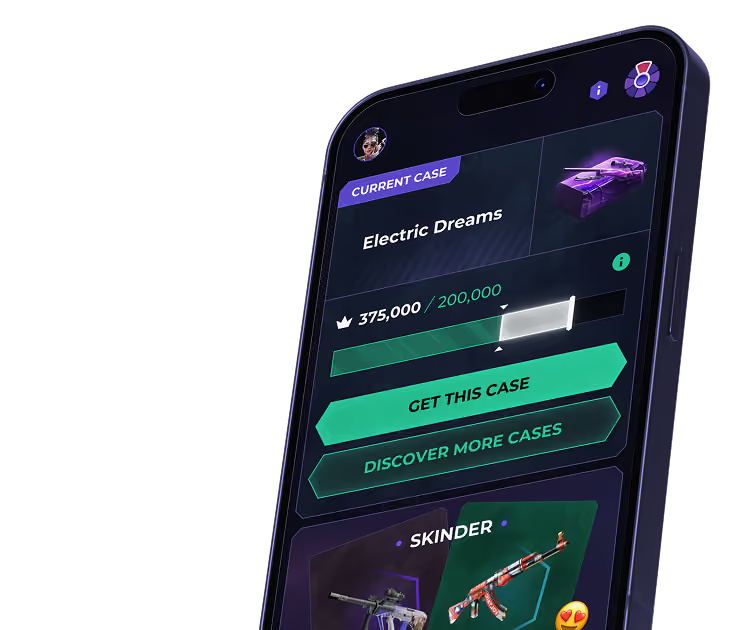
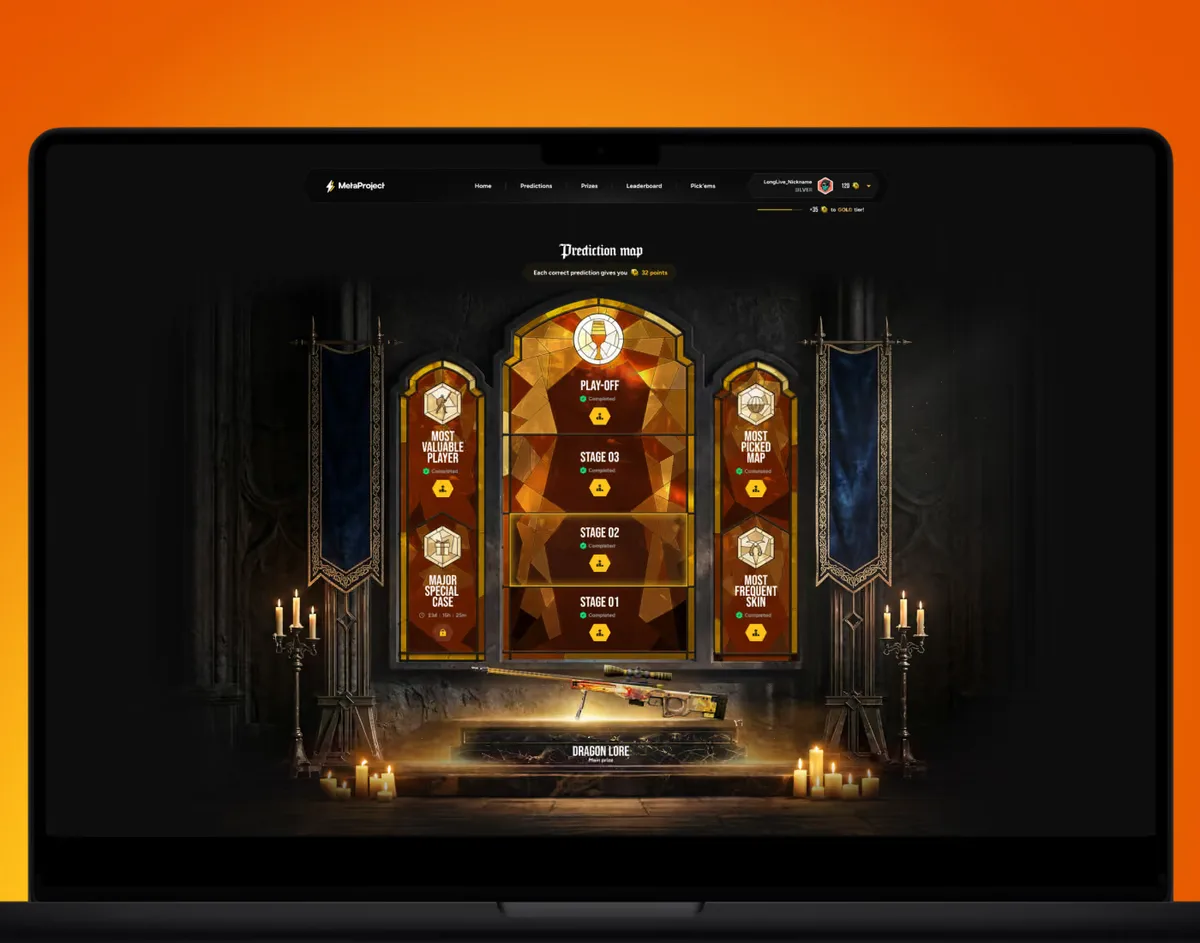
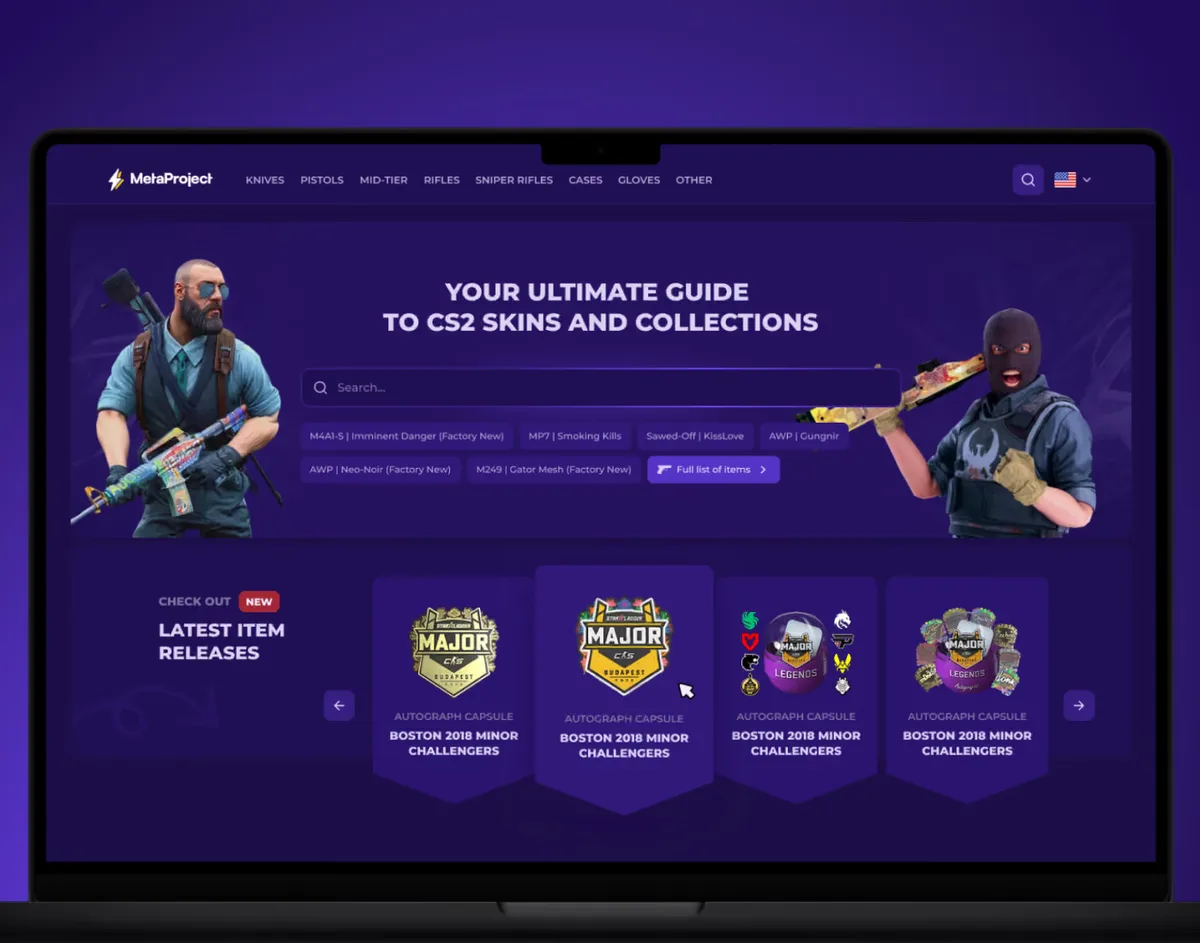
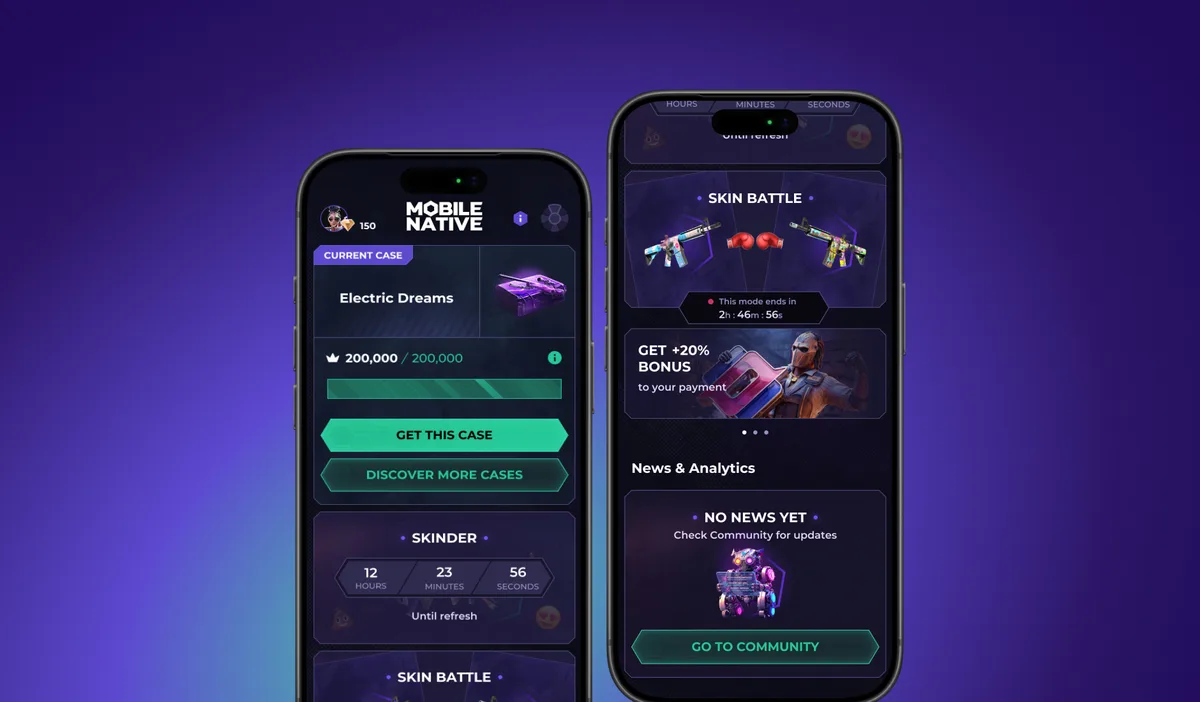
We've engineered high-concurrency engagement and economy systems for live esports products — platforms designed to stay stable past 100,000 concurrent users and content systems serving 5M+ visitors around live titles. The detail lives in the case studies:

Who we work with

Esports organisations and tournament operators running global event cycles with peak concurrency well past 100K users
Gaming product companies building player-facing platforms, in-game economies, social features, community tooling, and matchmaking systems
Sports betting and odds platforms dealing with high-volume, low-latency, regulated workloads
Prediction and fantasy platforms tied to live events — leagues, tournaments, leaderboards
Streaming overlays and broadcast tooling second-screen experiences, real-time stats, audience-facing data layers
Drop-based commerce and limited-release platforms where the entire business hangs on a brief, high-pressure window
Ticketing and access platforms for events, releases, and members-only experiences

What makes this industry different

1.
Peak day is the whole business
Most SaaS runs on a sine wave. Here the economic model often hinges on a few discrete moments a year — you don't get to "address it in Q3."
2.
Failure is public
A Tuesday-afternoon outage is mostly invisible. An outage during a final, a launch, or a drop is broadcast live, and reputation moves fast in this industry.
3.
Digital assets carry real weight.
In-game economies, skins, collectibles, and betting balances have financial value, which makes account security and competitive integrity primary design constraints, not checkboxes.
4.
The audience is global and simultaneous.
These platforms serve every region at once, with no graceful "next day." Latency, regional resilience, and localisation are requirements from day one.

What we build

Peak-event architecture.
Systems designed against your real traffic shape, decoupled so a surge on one side can't destabilise the other, with autoscaling tuned for spikes rather than steady state and edge delivery for global audiences. The underlying capability is covered on our Platform Engineering page.
Real-time engagement systems.
Leaderboards, live feeds, score overlays, and prediction markets — the surfaces fans watch most and the ones that break first. Pre-computed rankings for fast reads under heavy writes, push-based feeds, and caching that doesn't corrupt the most important screen.
Account security and competitive integrity.
Authentication built against the real threat model — credential stuffing, account takeover, automation abuse — plus anti-abuse architecture for economies and reward systems, and audit trails that satisfy internal and partner investigations. See DevSecOps Consulting.
Regulated subsets.
Sports betting, real-money gaming, and regulated prediction markets add licensing, KYC/AML, audit-grade transaction trails, and responsible-gaming controls. We bring patterns from fintech and adapt them here.
Live operations and event tooling.
Server-side timing engines, admin suites that scale with event complexity rather than headcount, localisation pipelines, and audit-safe support tooling that lets a small team resolve issues fast during peak hours.
Capability transfer.
Documented architecture decisions in your repos, runbooks for every recurring scenario, trained internal architects, and a skills matrix — because "the vendor handles the platform during the event" is not a long-term strategy. See CoE Design & Transition.

How we work

Our engagements follow three phases — Co-execution → Transition → Self-sufficiency — and typically run 4–9 months, depending on whether the platform exists today or is built from scratch. More on our approach: Delivery as Training and Exit by Design.

Why teams choose us

Senior-only
Every engineer has prior production experience with surge-pattern workloads. We don't learn high-concurrency engineering on your event weekend.
Cross-industry pattern fluency
We adapt regulatory architecture and audit-grade integrity from fintech and healthcare — where they apply more than vertical-native shops often realise.
Embedded, not outsourced
We work in your repos, on your real platform, alongside your team.
Exit by design
Your team operates what we built. We don't become a permanent on-call dependency.

When to bring us in

You're about to host an event or launch significantly larger than your previous biggest.
A platform struggled at the last major event and you want to be sure it doesn't happen at the next one.
You're launching a new product in this category and want the right architectural foundation from the start.
You're coming out of an incident — a tournament outage, a launch that buckled, a drop that failed — and want to rebuild the practice, not patch the hole.
You're scaling globally, adding regions, languages, and partner integrations.
You're entering a regulated subset where compliance and surge engineering have to coexist.

F. A. Q.

We're in a regulated subset (sports betting, real-money gaming). How does that change the engagement?

In scope, not in approach. Regulated workloads add audit-trail, KYC, and jurisdictional compliance overlays. The peak-event engineering is the same; we layer the regulatory architecture on top, and many patterns translate directly from our fintech work.

Do you have experience with our specific game or sport?

Probably less than a vertical specialist — and that's usually fine. The patterns that matter (surge readiness, real-time data, account integrity, live-ops tooling) are largely game-agnostic. The business logic and regulatory shape your team knows best; our value is the engineering discipline around it.

How early should we think about peak-event readiness?

Earlier than most teams do. Retrofitting surge-readiness into an architecture that ignored it is far more expensive than designing for it from the first release. If you have any major event or launch within 12 months, now is the time.

Can you help with load testing?

Yes — it's part of every engagement here. We typically simulate at least 1.5× expected peak before a major event. Tools vary (k6, JMeter, Locust, Gatling); designing a test that reflects your real traffic shape matters more than the tool.

We're a smaller team. Will an embedded model work?

It works well from about 6–8 engineers up. For smaller teams we often start with a Capability Blueprint Workshop to find the highest-leverage areas — usually the architecture for your next planned event.

Get an honest read on your platform's readiness for the next big moment.
In a 4-week Blueprint Sprint, we assess your platform against your real workload, surface the load-bearing constraints, and design a roadmap your team can run before the next major event.
Start your Blueprint Sprint