Book a call
What we do

Software Architecture Consulting Services

The backbone of your digital products.
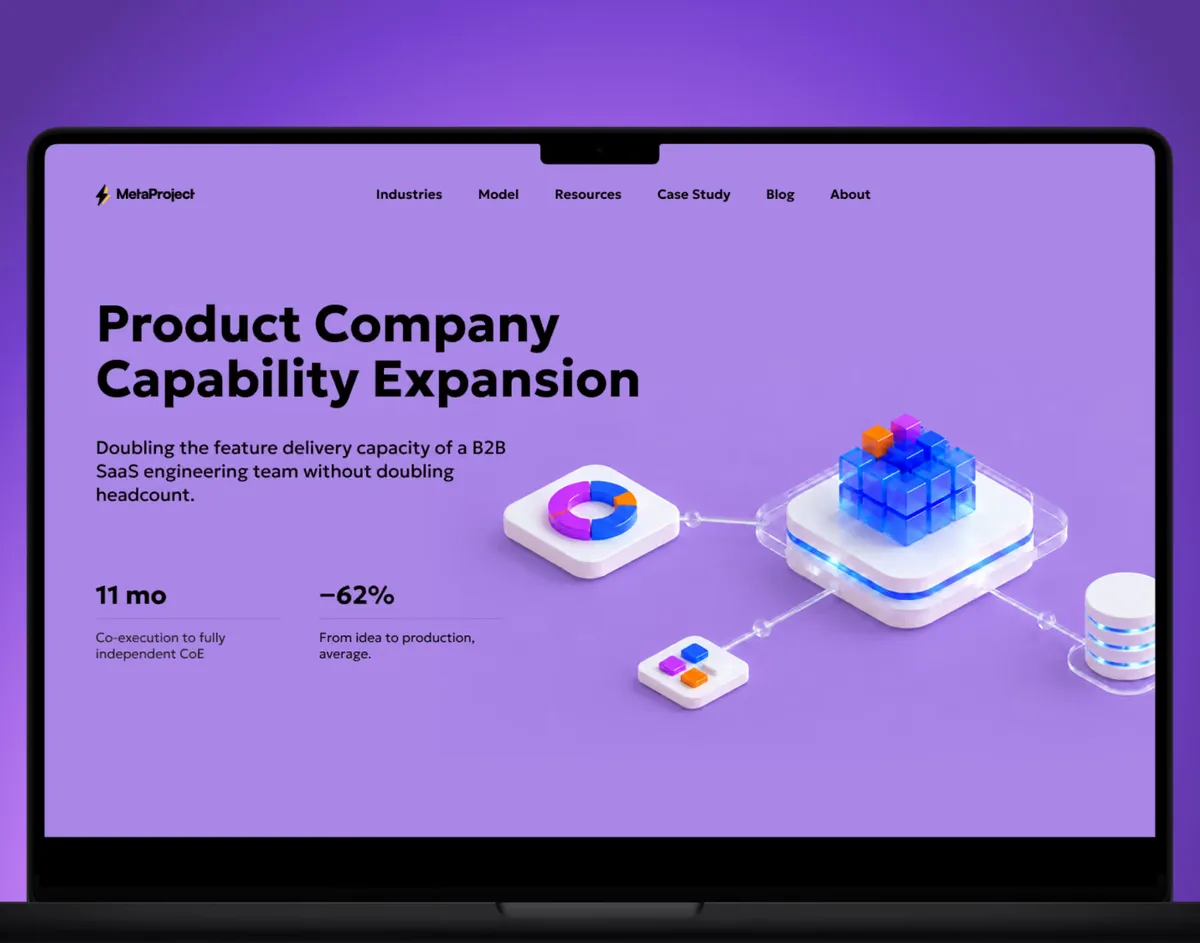
Results from our architecture work
140+
endpoints moved to one compliant pattern without service interruption
Clinical SaaS case
2.1×
delivery capacity with the same team size
B2B SaaS case
<5%
change failure rate, with every release checked in the pipeline
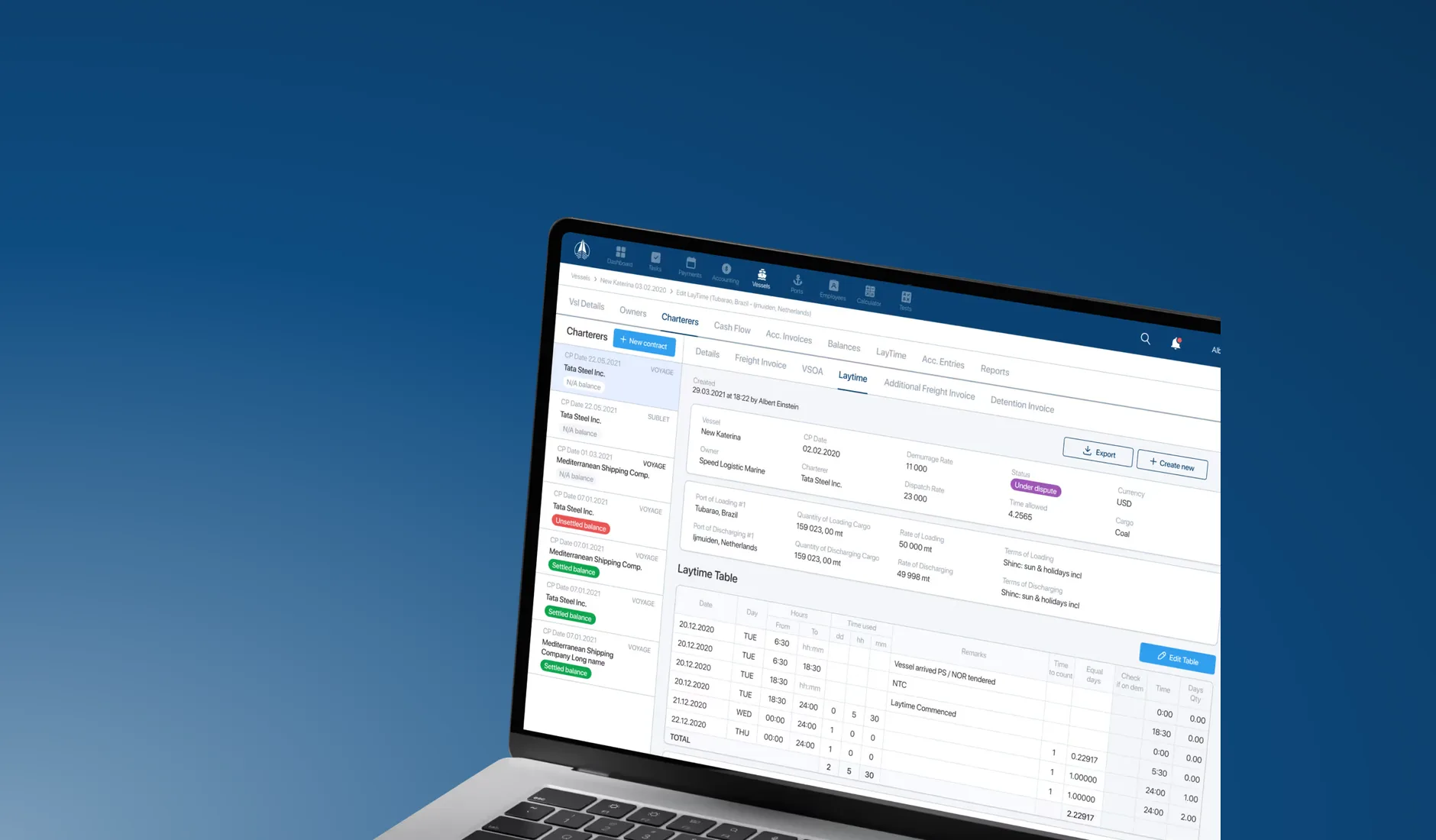
SLM ERP case

MetaProject provides software architecture consulting for teams building across mobile apps, web frontends, and distributed backends.

When the architecture underneath is fragile or inconsistent, every new feature or channel becomes a risk. We help you make the core foundations explicit: the frameworks, standards and documentation that keep delivery fast and secure, and that your teams can run long after we're gone. We write code, and we help you build the internal engineering operating system around it.

What we help you build

Too often, code arrives but the reasoning behind it doesn't; architecture and trade-offs live in a vendor's head and slide decks; and every change becomes a negotiation instead of a team decision.

We help you replace that with:
Scalable, future-proof architecture (microservices, cloud-native patterns) matched to where you're actually going
Automated pipelines, observability, and QA gates that keep changes safe
A documentation-first approach and an engineering handbook your CoE can own and extend
Scalable, future-proof architecture (microservices, cloud-native patterns).
Automated pipelines, observability, and QA gates that keep changes safe.
A documentation-first approach and
an engineering handbook your CoE can own and extend.

Principles & standards: your architectural operating system

We start by making your architecture principles explicit and usable.
Architecture principles
Together we define a small set of practical principles
Modular, loosely coupled services instead of accidental monoliths
Clear ownership boundaries for domains, services, and data
APIs first, with stable, well-versioned contracts
Secure by design: authentication, authorisation and data protection baked in.
Observability by default: everything important is measurable.
These become the lens for every design decision, ADR, and code review.
Engineering standards
We then codify standards your teams apply day to day:
1
API and integration standards (versioning, error handling, behaviour)
2
Code and review guidelines across languages and platforms.
3
Testing standards (unit, integration, E2E) tied to risk and architecture.
4
Performance and reliability baselines for key flows.
The goal: fewer "snowflake systems" and more predictable, repeatable engineering.

Architecture blueprints: from diagrams to living references

We don't drop a target diagram at the end. We co-create the blueprints your teams actually use.
Product & system blueprints
Depending on your needs, we’ll co-create:
Current state maps
how your apps, services, data stores, and third-party systems fit together today
Target state architectures
a gradual path from monolith to microservices; a backend fit for new channels; a SaaS-ready platform
Domain and context maps
where one team's responsibilities end and another's begin
Change pathways
For bigger shifts (modernisation, replatforming, new channels), we outline change pathways:
Strangler-fig patterns and migration slices.
Iterative rollout plans for new services or frontends.
Risk-aware sequencing (what to do first, what to defer).
These blueprints live in your repos, not ours, and are updated as we learn.

ADRs & documentation: codifying decisions as
we go

Architecture lives in the decisions teams make every week, so we use a documentation-first approach to capture them:
Architecture Decision Records (ADRs) for significant changes
Service boundaries, data ownership, integration approaches, technology choices.
Branching and release model docs
How code moves from idea to production.
Testing strategy
What’s covered where, and how this maps to risk.
Runbooks and playbooks
How to operate critical flows and respond when things go wrong.
All of it lives in your own repos and wikis, and grows into your internal engineering handbook for new team members.

Tech stack guidance: opinionated, not dogmatic

We don't arrive with a fixed "MetaProject stack". We work with what you have and where you need to go, providing opinionated guidance that helps you decide faster:
Frontend & mobile
When to go native vs cross-platform.
How to structure SPAs and micro-frontends for long-term maintainability.
Patterns for sharing components and design systems across mobile and web.
Backend & services
Service design patterns for APIs used by multiple clients.
Choices around synchronous vs asynchronous communication, messaging, and eventing.
Data ownership and integration patterns that support future products.
Cross-cutting concerns
Security, identity, and access across mobile, web, and APIs.
Observability and logging choices that make debugging realistic.
Tooling and platform options that fit your team’s size and skills.
We help you avoid both extremes: random tool sprawl and rigid one-size-fits-all mandates.

How we work with your teams

We build all of this in the flow of real delivery, on your actual work. Our senior specialists:
Co-design and co-build with your engineers on real work
Lead key architectural decisions, while documenting them in ADRs and diagrams.
Shape standards and blueprints as we go
Mentor your leads so they can run reviews and evolve the system without us
Because we’re a senior-only, embedded team, knowledge flows naturally: you see what we recommend and how we think about it.

Why this matters (multi-stakeholder view)

CTO / CPO
A coherent, documented architecture you can govern and evolve, with less risk when adding new products or modernising legacy systems.
VP Engineering / Head of Engineering
Clear standards and blueprints that keep multiple teams aligned, and faster onboarding via a real engineering handbook.
Product & Business leaders
The confidence to commit to new product bets knowing the foundations can support them, and fewer "we have to rewrite it" surprises a year later.
Engineering teams
Practical patterns and references instead of tribal knowledge, and mentorship from senior architects who build with them.

When to bring us in

Architecture & Engineering Foundations is especially valuable when:
You're planning a new mobile or web product that will sit on top of critical systems.
You're preparing a modernisation, replatforming, or monolith-to-microservices journey.
You're feeling architecture drift: every team does things differently and nobody shares standards.
Hiring seniors is slow and you need help bootstrapping a CoE around architecture and engineering.
If that’s where you are, this capability area becomes the base layer for everything else we do together.

See your architecture foundations in a Capability Blueprint Workshop

Most organisations start by making the problem visible. In a Capability Blueprint Workshop, we spend a few weeks mapping:
Your current architecture and engineering standards,
Your biggest gaps in documentation and observability,
And the first steps toward a CoE-grade foundation for your mobile, web, and platform work.
From there, we can shape a joint roadmap to build those foundations with your teams. You end up with an internal operating system you can run, extend and govern yourself.

Software architecture consulting cost

Architecture work is priced by the decision you need to make, not by hours on a timesheet.
Architecture review
$8k–$20k
2–3 weeks
Current-state assessment, risk register and the three changes that matter most.
Target architecture
$20k–$50k
4–8 weeks
Target-state design, ADRs and a sequenced roadmap your team can execute.
Embedded architect
$8k–$15k/mo
ongoing
A senior architect inside your team while the roadmap is delivered.
Typical ranges for engagements like this. Your number depends on scope, team size and how fast you need to move. Get a range for your project in two minutes.Preparing for an investment or acquisition? See our technical due diligence checklist.
5.0
Rated on Clutch from 16 verified client reviews. Read the reviews on Clutch
★★★★★

“Their level of commitment and dedication to the success of the overall effort is their most impressive attribute.”

Wolf Berkych, Client Experience Manager, Glow Design Agency
★★★★★

“Everything was delivered within the timelines given and with high standards.”

Matt Davenport, Founder, App Software Company

Software architecture consulting FAQ

How much does software architecture consulting cost?

An architecture review typically costs $8k–$20k over 2–3 weeks. A target architecture with ADRs and a roadmap costs $20k–$50k over 4–8 weeks. An embedded architect costs $8k–$15k a month.

What does a software architecture consultant do?

Reviews how your system is built today, finds the risks that will block scale, security or delivery, designs the target state, records each decision in an ADR, and works with your engineers until they can evolve the architecture without us.

Do you only advise, or do you also build?

Both. After the design, our senior engineers can deliver the riskiest parts together with your team, for example the platform, a legacy migration or a data foundation.

Will our team be able to maintain the architecture after you leave?

Yes, that is the point of the engagement. Principles, blueprints and ADRs live in your repositories from day one, and your engineers pair with ours on every major decision.

How long does an architecture engagement take?

A review takes 2–3 weeks. Designing the target architecture takes 4–8 weeks. Delivering it is a separate phase, usually 3–12 months, where we work inside your team.

Get an honest read on your architecture foundations

Tell us what you are building. On a 30-minute call a senior engineer walks through your architecture and the decisions ahead. Or get a first view of the team and timeline in two minutes.