Book a call
Contact

Summary

The residential remodeling sector has long carried a structural problem — fragmented communication, opaque pricing, schedule slippage, and a coordination model that hadn't materially changed in decades. Welcome Renovation set out to disrupt this by turning renovation from a bespoke service into a productized experience for the California luxury market: clear scope, fixed pricing, predictable delivery, modern client communication. To make that business model work, the company needed software that matched it — a homeowner-facing mobile app, a field tool for project managers, and an administrative system to keep both ends synchronised. We engineered the platform end to end: native iOS and Android applications, a Node.js / NestJS backend, integrated milestone payments via Stripe, document workflows via DocuSign, and CRM orchestration through Pipedrive. The platform launched across LA, Orange County, and San Diego with 15,000 active users in the system.

Request

The brief was a software platform that would let Welcome Renovation operate as a tech-enabled product company rather than a traditional general contractor:
A homeowner mobile experience that gave clients real-time visibility into their project, secure messaging with the manager, and transparent milestone payments
A project manager field tool for daily reporting, high-quality video walkthroughs, and punch-list management on-site
An administrative platform to coordinate scheduling, budgets, and client lifecycle across all active projects
Integrations that connected the platform to the financial, legal, and CRM systems the business already used
What made the engagement harder than it looked was the dual-app pattern combined with native performance requirements: two distinct mobile applications, both native, both shipping in parallel, each tailored to a very different user.

Challenge

Four constraints shaped the architecture.
A single source of truth across multiple surfaces.
Renovations historically run on a scatter of personal calls, group chats, photos in someone's phone, and spreadsheets. Consolidating that into one record — visible appropriately to both the homeowner and the manager — required a clear data model and disciplined synchronisation across mobile and admin layers.
High-resolution media at field-tool scale.
Field reporting is media-heavy by nature: daily photo uploads, video walkthroughs, before/after documentation. The infrastructure had to handle this volume without degradation, while also serving the same media at high fidelity to homeowners through the consumer app.
Milestone-linked financial flows.
Standard construction billing leaves room for friction — manual invoicing, delayed payments, unclear what's been paid for what work. The brief called for milestone-linked payments where funds release only after physical work is verified. Stripe handled the payment rails; the engineering challenge was tying release events to verified completion in a way both parties could trust.
Regional regulatory variation.
Across LA, Orange County, and San Diego, municipal codes, permitting, and legal agreement structures vary meaningfully. The document and compliance workflow had to absorb that variation without bloating the user experience.

Feature scope

The platform was delivered as three integrated surfaces.
1. Homeowner mobile app (iOS + Android, native)
The client-facing experience. Project timeline with milestone-by-milestone visibility, secure direct messaging with the project manager, video and photo updates pushed from the field, milestone payment processing via Stripe, and access to all project documentation. The principle behind the design was that the homeowner should be able to answer any question they have about their project without having to ask anyone.
2. Project manager field app (iOS + Android, native)
The on-site tool. Daily progress reporting with photo and video upload, scheduled virtual walkthrough calls, punch-list management, and direct communication with assigned homeowners. Built native because the workload — high-resolution media uploads from variable-quality field connections, location-aware features, reliable background sync — punishes cross-platform performance ceilings.
3. Admin dashboard (web)
The central coordination layer. Global scheduling across all active projects, budget tracking and financial visibility, integration with the Pipedrive CRM for lead and customer lifecycle management, and DocuSign-mediated contract workflows. This is where the operations team manages the business and where the connections between the two mobile apps and the back-office systems are orchestrated.
4. Design preference intake
A diagnostic intake flow that captures homeowner aesthetic preferences during the discovery phase and maps them to the curated design collections the business offers. Not a sales tool — a scope-alignment tool that reduces the most expensive type of late-stage change order: "this isn't what I imagined."

Tech stack

Application:
Node.js / NestJS (backend logic), Next.js + TypeScript (admin web interface)
Mobile:
Swift (iOS native, both apps), Kotlin (Android native, both apps)
Integrations:
Stripe (milestone payments), DocuSign (legal agreements and digital signatures), Pipedrive (CRM, lead and customer lifecycle)
Infrastructure:
AWS — S3 and CloudFront for video processing and high-resolution media delivery, automated CI/CD pipelines for rapid feature deployment
QA:
Manual QA on isolated staging and production smokes, BrowserStack and physical device testing, Postman and Swagger for API contract tests

Key Features

Interactive project timeline

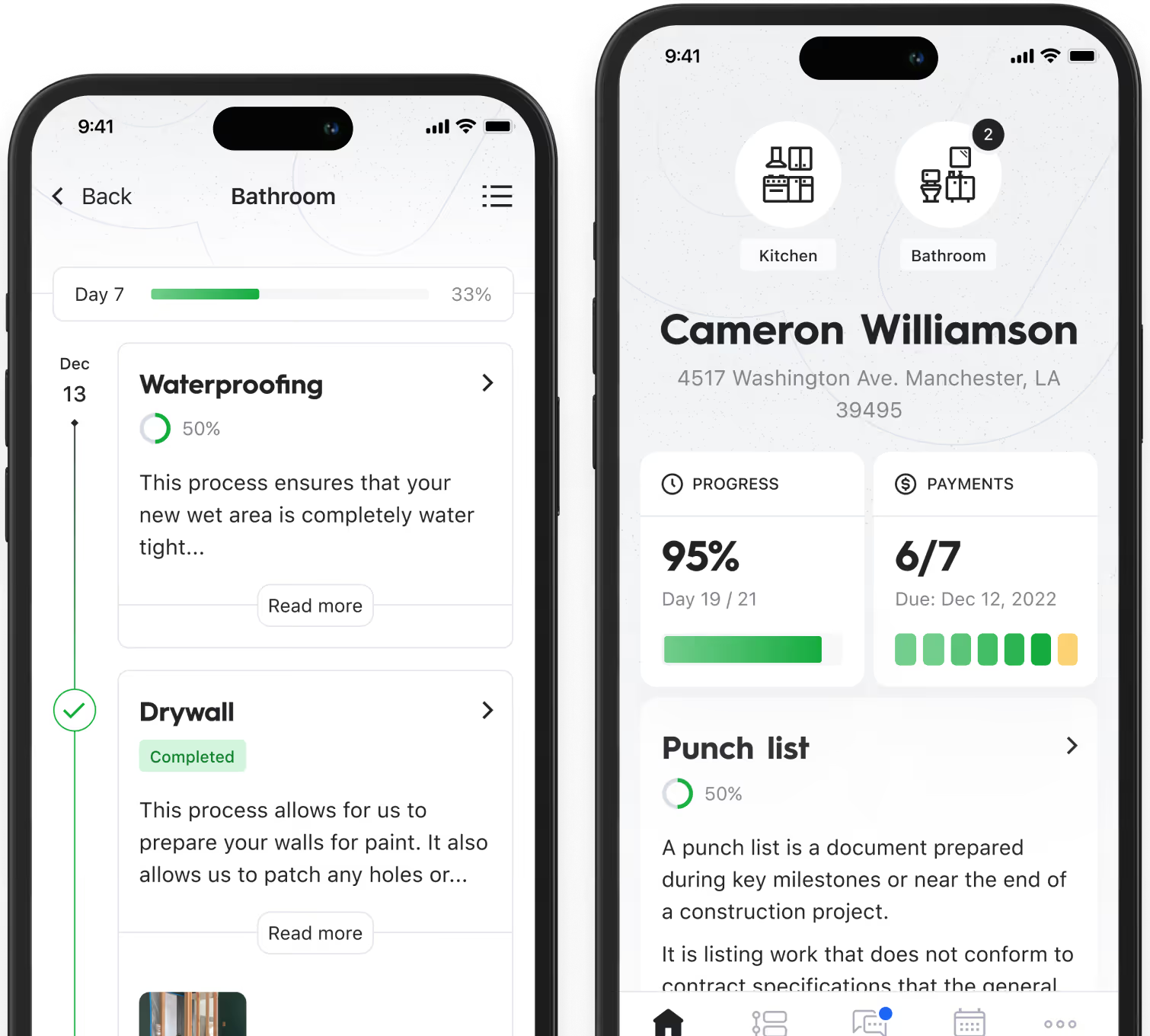
A dynamic schedule that lets homeowners visualise the entire project lifecycle — current stage, upcoming milestones, dependencies. The value isn't visual; it's that it sets clear expectations for every milestone, which significantly reduces inbound status inquiries. The manager spends less time answering "what's happening this week"; the homeowner spends less time wondering.
Two smartphone screens showing a home renovation app; left screen displays bathroom tasks with progress bars for waterproofing and drywall, right screen shows user Cameron Williamson's profile with project progress at 95% and payments completed 6 of 7.

Milestone verification with high-fidelity media

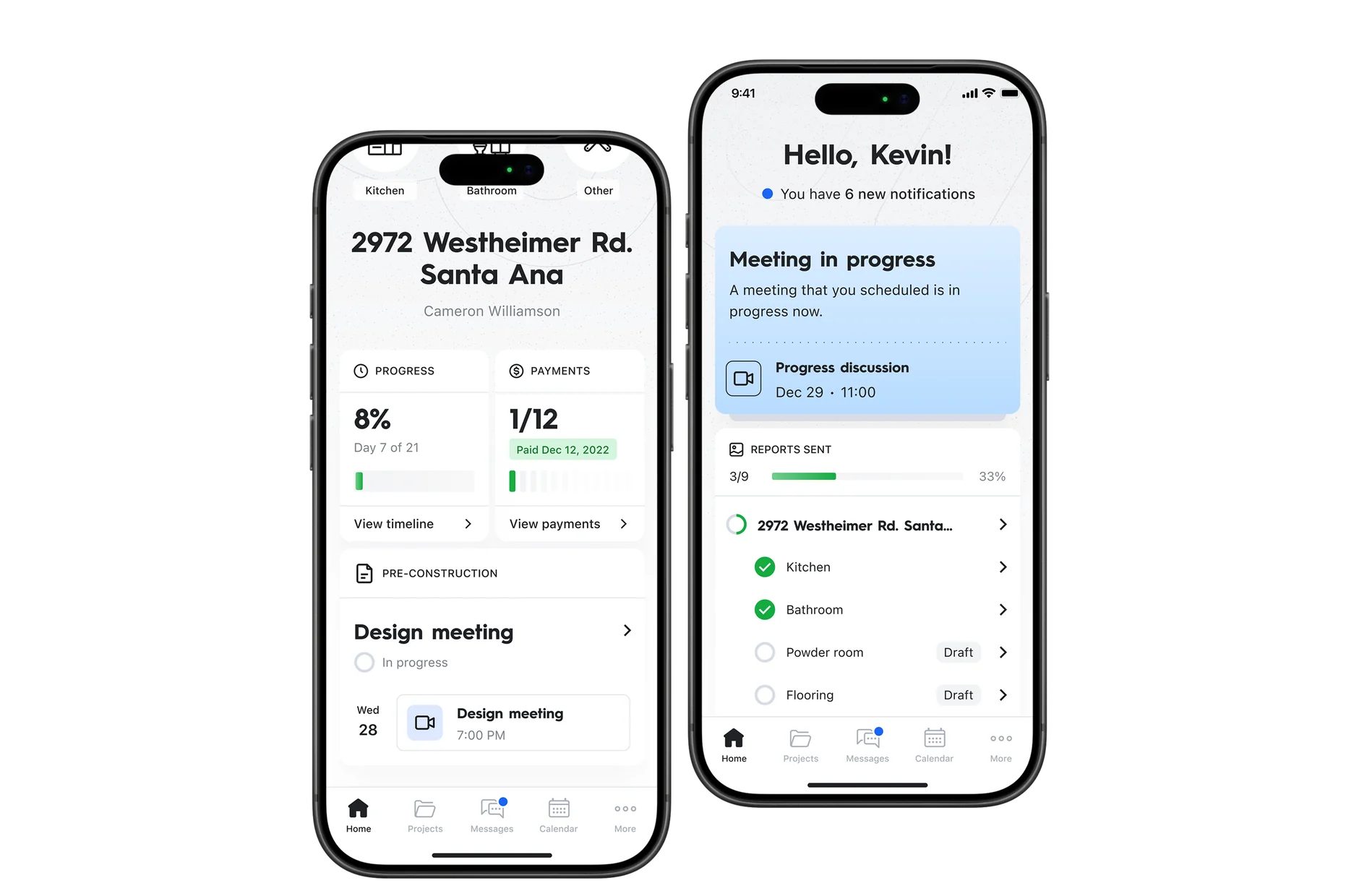
Project managers use the field app to upload daily photos and text updates, and to host scheduled video calls for virtual walkthroughs. Verified completion of a milestone becomes the trigger for release of the associated payment. The system maintains an audit-grade record of what was verified, when, and by whom.
Smartphone screen showing a project management app with progress at 33%, 6 new notifications, a meeting in progress, payments 2 of 12 due Dec 23, 2022, and task list for 2972 Westheimer Rd. with kitchen and bathroom completed, powder room and flooring as drafts.

Milestone-linked payments via Stripe

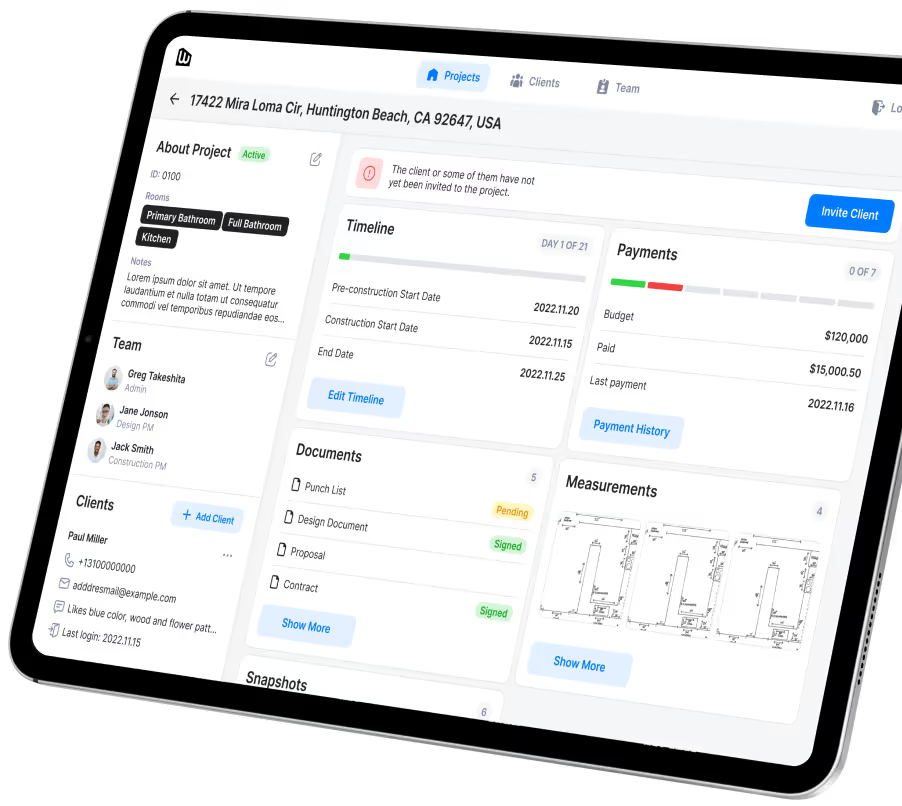
The financial heart of the platform. Stripe handles the payment rails; the engineering complexity was in tying release events to verified completion — generating accurate invoices, enforcing the right approval gates, providing both sides real-time budget visibility, and sending automated reminders that don't slip into the spam folder. The platform supports the multi-stage payment cadence that traditional construction billing usually struggles to express cleanly.
Tablet screen showing a project management dashboard for a renovation at 17422 Mira Loma Cir, Huntington Beach, with sections for timeline, payments, documents, measurements, team, and clients.

Digital compliance and document suite

A centralised repository for all legal and regulatory paperwork, integrated with DocuSign. Homeowners review and sign contracts, design briefs, and municipal permits directly in the app. The workflow accommodates the regional variation across Southern California municipalities without exposing that complexity to the user.
Smartphone screen showing a documents app where Greg Takeshita has sent 2 pending service contract documents for 2432 Maxson Ct, Signal Hill bathroom renovation design.

Design preference intake

A multi-step interactive survey that captures stylistic preferences and maps them to the curated collections Welcome Renovation offers (Santa Barbara, Bel Air, others). The intake reduces late-stage scope changes by aligning expectations early — which is where the cost of misalignment is much lower than at the punch-list stage.
Two phone screens showing a virtual meeting app: left screen is a design meeting invite for Oct 31 at 11:00 AM, right screen shows a video call with four participants.

Timeline

Weeks 1–4
Discovery and UX strategy.
User journey mapping, data model design, integration scoping.
Months 2–3
Core infrastructure and API orchestration.
NestJS backend, Stripe / DocuSign / Pipedrive integrations.
Months 4–6
Native mobile development.
Swift and Kotlin applications for both homeowner and manager flows; high-resolution media pipelines.
Month 7
Integration testing and QA.
Financial flow validation, design collection supply chain logic, cross-device verification.
Month 8
Deployment and regional scaling.
Launch across LA, Orange County, and San Diego.

Results

Summary

The project successfully redefined the renovation experience by transforming operational chaos into strategic clarity. The dual-app ecosystem and admin "Brain" reached the goal of establishing Welcome Renovation as a tech-enabled industry leader, capable of scaling high-touch luxury services while maintaining perfect budget accuracy and client satisfaction.

Engineering results

15,000 active users on the platform at launch
Three native applications shipped (homeowner iOS + Android, manager iOS + Android, admin web) within an 8-month engagement
Multi-region launch across three Southern California markets simultaneously
Audit-grade financial trail — every milestone payment tied to verified completion, accessible to both homeowner and manager in real time
Integrated compliance workflow absorbing regional regulatory variation without user-facing complexity

Next steps

The platform is in continuous evolution. The current roadmap includes:
Schedule optimisation — using historical project data to predict supply chain variables and refine timeline estimates
Extended service modules — leveraging the existing infrastructure for adjacent field-service workflows such as HR and payroll
Post-renovation features — long-term space management features within the homeowner app to support ongoing maintenance

F. A. Q.

Why native mobile rather than cross-platform for this engagement?

The decision was driven by the media workload. The field app uploads high-resolution photos and video from variable-quality on-site connections, and the homeowner app delivers that media back at full fidelity. Cross-platform frameworks (React Native, Flutter) handle standard form-based and content-driven apps well, but hit a performance ceiling with media-heavy workflows and reliable background sync. Native Swift and Kotlin let us hit that performance bar without trade-offs. The duplicated codebase cost is real, but for this product class it was the right call.

How does milestone-linked payment via Stripe actually work?

The architectural pattern is "payment release on verified completion." Each project is broken into milestones with associated payment amounts. When the project manager submits verification (photos, video, sign-off) for a completed milestone, the system marks it complete and triggers Stripe to release the associated funds. Both sides have real-time visibility into what's been verified, what's been paid, and what's pending. The engineering complexity isn't in Stripe itself — it's in defining what constitutes "verified completion" in a way both parties can trust, and providing an audit trail that supports that trust over time.

Why integrate Pipedrive, DocuSign, and Stripe rather than building these capabilities in-house?

Because each of these systems does its specific job extremely well, and rebuilding them in-house would have consumed engagement time without producing differentiation. The right architectural decision was a clear integration boundary with each — treat them as managed services for the parts of the workflow they handle best, and build the platform's actual differentiation around them. Stripe handles payments, DocuSign handles legally-binding signatures, Pipedrive handles CRM. The platform handles the orchestration.

How do you handle regional regulatory variation in a multi-region launch?

By isolating the variation in the document and workflow layer rather than letting it propagate through the user interface. Across LA, Orange County, and San Diego, municipal codes and permit structures vary, but the homeowner shouldn't have to know that. The compliance layer absorbs the variation; the surface stays clean. This pattern generalises to any multi-region product where local regulation differs but the user experience should not.

Can the platform expand to other field-service categories beyond renovation?

Yes — that's part of the current roadmap. The underlying pattern (dual mobile apps + admin coordination + milestone-linked financial workflows + integrated CRM and compliance) generalises to any field-service business that wants to move from bespoke service delivery to a productized experience. HR and payroll modules are the next planned extensions.

See more cases
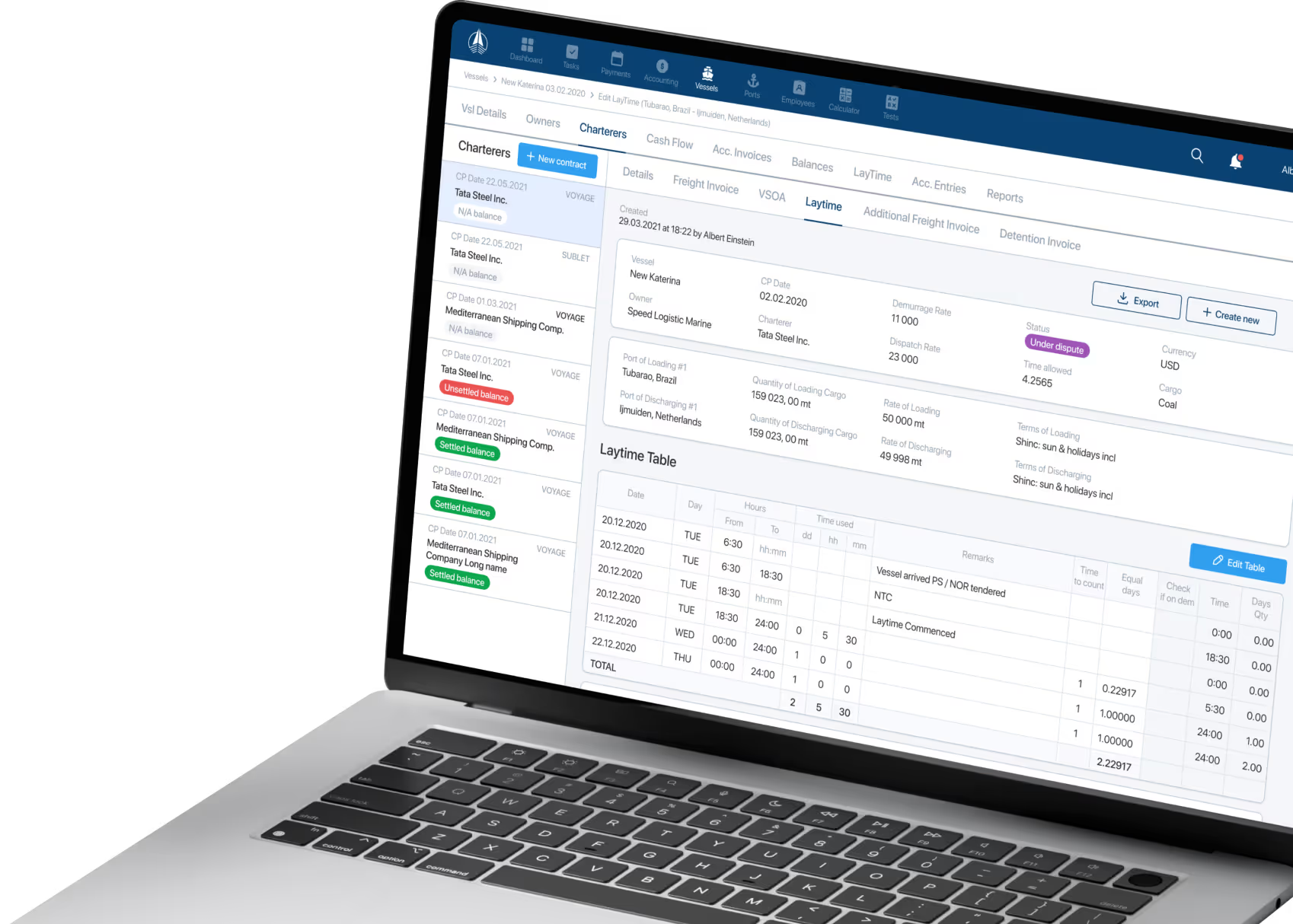
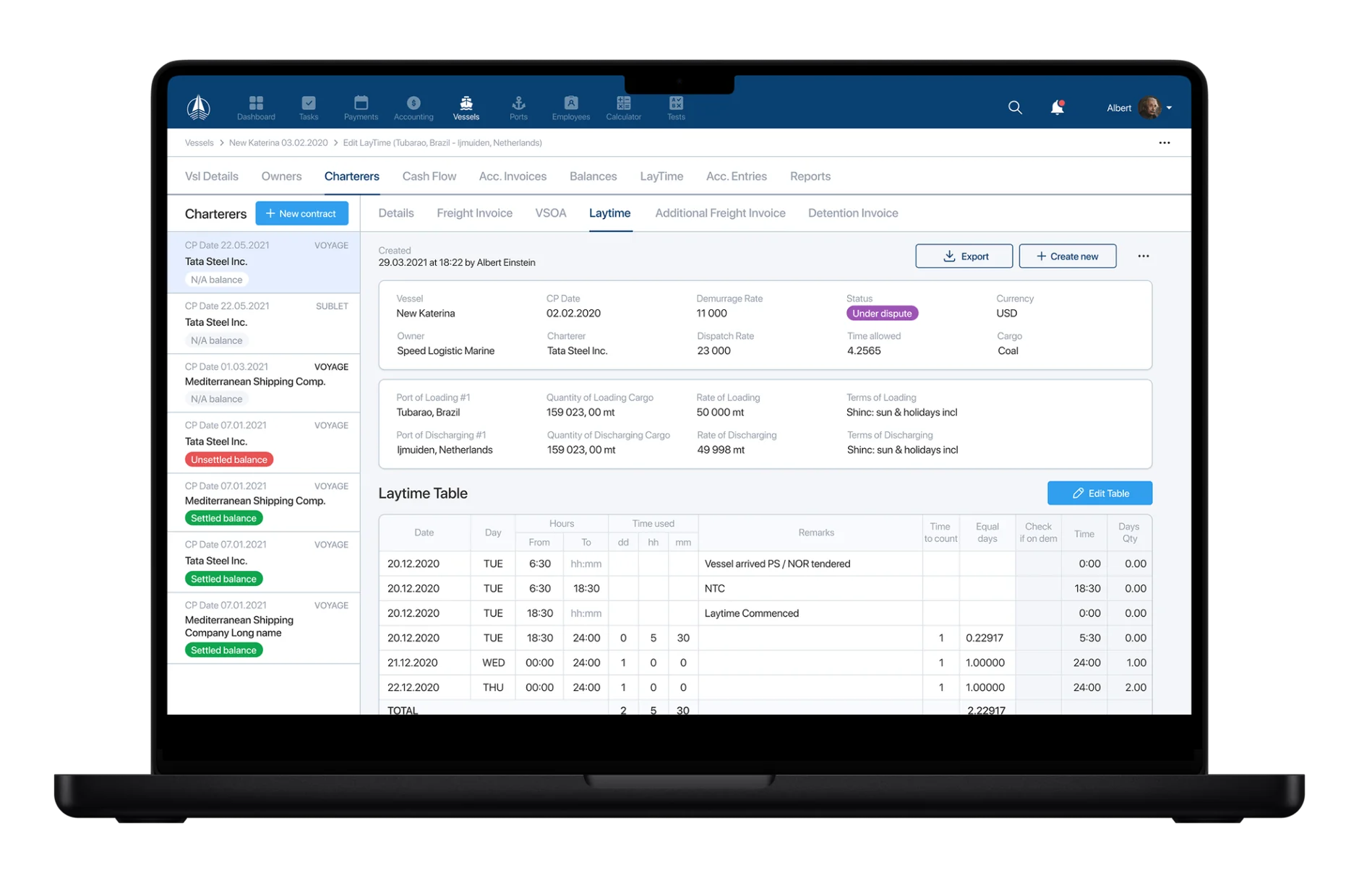
Speed Logistics Marine

Scaling a global fleet without scaling the administrative load that usually grows with it.
#Maritime
#ERP
#SaaS
#Mobile
#.NET
#AWS
#PostgreSQL
#Logistics
Skin.Club CS2 skins guide webpage displaying various weapon skins and knife designs including Doppler, Ultraviolet, Marble Fade, Freehand, and Damascus Steel.
This is some text inside of a div block.

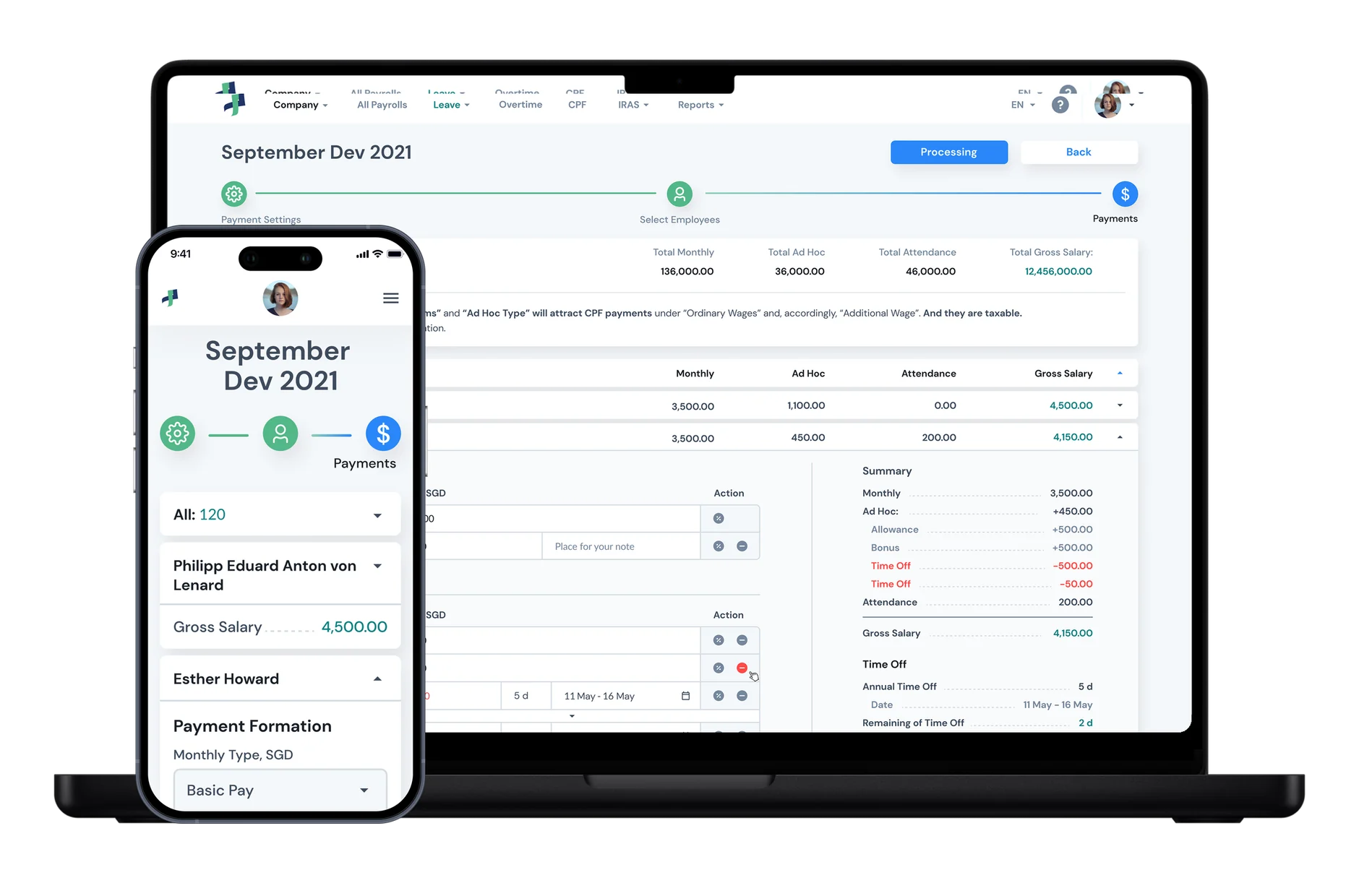
Singapore Payroll SaaS

Engineering a regulated payroll and HR platform — 20+ bank integrations, statutory tax automation, and the operational discipline a regulated SaaS demands from day one.
#PostgreSQL
#FinTech
#PayrollTech
#HRTech
#SaaS
#APAC
#.NET
#AWS
Skin.Club CS2 skins guide webpage displaying various weapon skins and knife designs including Doppler, Ultraviolet, Marble Fade, Freehand, and Damascus Steel.
This is some text inside of a div block.

Wiki

A content-first knowledge platform that turned the data fragmentation of a $5B+ market into a global traffic engine.
#AWS
#Esports
#Gaming
#Headless-CMS
#Content-Platform
#Multilingual
#SEO
#Real-Time-Data
Skin.Club CS2 skins guide webpage displaying various weapon skins and knife designs including Doppler, Ultraviolet, Marble Fade, Freehand, and Damascus Steel.
This is some text inside of a div block.
Building a tech-enabled service business?
If you're moving a service business toward a productized model — fixed scope, transparent pricing, predictable delivery — and you need software that matches the business model, that's the engagement we run.
Start a Capability Blueprint Workshop
+1
🇺🇸
Uploading...
fileuploaded.jpg
Upload failed. Max size for files is 10 MB.
By clicking this button I agree to the Privacy policy
Thanks for reaching out!
We’ve received your message and one of our experts will be in touch shortly.
Back
Oops! Something went wrong while submitting the form.

Start your capability journey

In 4 weeks we map your architecture, delivery model, knowledge gaps, risks, and capability priorities — so you can scale independently.
Man with short dark hair and beard wearing sunglasses and a light-colored shirt, looking to the side against a blurred outdoor background.
Alexey Belokamensky
CEO
Black and white photo of a man in a suit speaking at a microphone on stage with a piano in the background.
Alex Volt
Head of Sales
Black and white portrait of a woman with curly hair wearing a white top, looking off to the side.
Sofia Petrenko
Recruitment Manager